
Mini Educator E-Collar Manual: A Comprehensive Guide
Welcome! This manual provides detailed guidance on utilizing the Mini Educator e-collar effectively and responsibly‚ ensuring a positive training experience for both you and your canine companion.
Understanding the Mini Educator E-Collar
The Mini Educator is a remote training collar designed for dogs of all breeds and sizes‚ offering a humane and effective method for communication during training sessions. Unlike some e-collars‚ the Mini Educator prioritizes precision and control‚ allowing trainers to deliver consistent and adjustable stimulation. Many professionals favor it for its discreet design and reliable performance‚ particularly the EZ model’s convenient dial operation‚ though accidental adjustments can occur.
It’s crucial to understand that the e-collar isn’t a quick fix; it’s a tool to enhance existing training. Proper use involves pairing stimulation with established cues‚ like leash pressure‚ and understanding individual dog sensitivity. The collar’s effectiveness hinges on correct contact point selection – 5/8” for most‚ 3/4” for thicker fur – and a snug‚ proper fit; Remember to experiment with distance and remote handling‚ as signal strength can be affected by touch.
What is an E-Collar and How Does it Work?
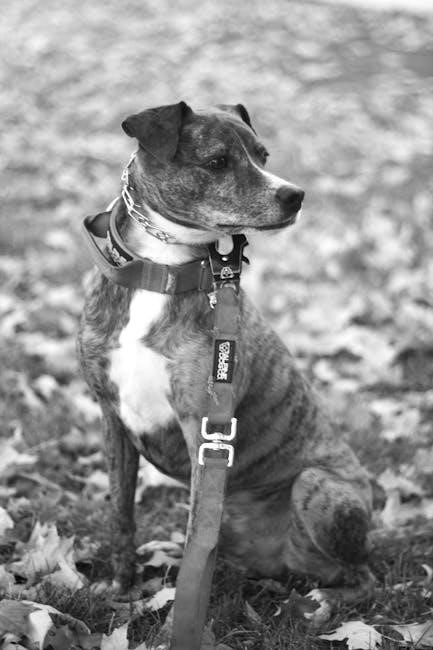
An e-collar‚ or electronic collar‚ is a training tool utilizing remote-controlled stimulation to communicate with your dog. It doesn’t aim to punish‚ but rather to offer a clear signal‚ interrupting unwanted behaviors and reinforcing desired ones. The Mini Educator delivers this signal through contact points that touch your dog’s skin‚ providing a sensation that varies in intensity based on the selected level.
The remote allows you to control the stimulation‚ offering both continuous and momentary options. Most dogs will react to stimulation levels between 8 and 25‚ depending on skin dryness. Some trainers even utilize the vibration function‚ though adjustable vibrate collars are preferred for dogs with hearing impairments. Understanding how the collar works – and responsibly applying it – is key to successful and humane training.
Key Features of the Mini Educator
The Mini Educator stands out with several key features designed for effective and discreet training. Notably‚ the Mini model floats‚ making it ideal for water work. A significant advantage is the easily adjustable dial‚ allowing for precise stimulation level control‚ even when operating the remote from inside a pocket. While the dial can sometimes shift slightly within a pocket‚ a level-locking feature is available for added security.

Furthermore‚ the remote’s sensitivity to antenna touch is a characteristic of most remote trainers‚ requiring careful handling. Experimenting with distance and remote positioning is crucial. The Mini Educator’s design prioritizes user-friendliness and reliable performance‚ making it a popular choice among professional dog trainers.

Safety Precautions and Responsible Use
Responsible e-collar use is paramount. Always begin with the lowest stimulation level and gradually increase only if necessary‚ observing your dog’s reaction closely. Most individuals feel stimulation between levels 8 and 25‚ depending on skin dryness – testing on yourself (briefly!) can help gauge appropriate levels. Avoid continuous stimulation for extended periods; momentary stimulation is often more effective and humane.
Proper collar fitting is crucial to ensure the contact points make consistent contact. Never leave the collar on a dog unattended for prolonged durations. If accidental stimulation occurs‚ immediately cease use and reassess your approach. For any concerns or questions‚ don’t hesitate to contact customer support at 1-855-326-5527.

Setting Up Your Mini Educator E-Collar
Before commencing training‚ familiarize yourself with the components: the remote transmitter and the receiver collar. Ensure both are fully charged – see the ‘Charging the Remote and Receiver’ section for instructions. Next‚ select the appropriate contact points; standard 5/8” points suit most dogs‚ while thicker-furred breeds benefit from the longer 3/4” options. Use the provided tool to securely install your chosen points.
Proper collar placement is vital. The receiver should fit snugly‚ allowing consistent contact between the points and your dog’s skin. Avoid placement directly on the trachea. Experiment with distance and remote handling‚ having an assistant confirm vibration sensation to understand signal strength and antenna sensitivity.
Charging the Remote and Receiver
Maintaining optimal battery levels is crucial for consistent performance. The Mini Educator utilizes a convenient charging system. Connect the provided cable to a USB power source and the charging port on both the remote transmitter and the receiver collar. A full charge typically takes approximately two to three hours‚ though charging times may vary.
During charging‚ an indicator light will illuminate‚ typically red or amber‚ and change to green when fully charged. It’s recommended to fully charge both units before each training session. Regularly charging ensures uninterrupted training and prevents unexpected power loss. Always disconnect the charger once the units are fully powered to prolong battery life.
Contact Point Selection and Installation
Proper contact with your dog’s skin is vital for effective and humane stimulation. The Mini Educator comes with two contact point lengths: 5/8 inch and 3/4 inch. The standard 5/8 inch points suit most breeds‚ while dogs with thicker fur benefit from the longer 3/4 inch points for better contact.
To replace the contact points‚ use the included contact point tool. Gently unscrew the existing points and securely screw in the desired length. Ensure they are firmly tightened but avoid over-tightening. Regularly inspect the points for wear and tear‚ replacing them when necessary to maintain optimal performance and your dog’s comfort. Proper installation is key to a safe training experience.

Choosing the Right Contact Point Length (5/8″ vs. 3/4″)
Selecting the correct contact point length is crucial for effective communication with your dog. The 5/8 inch contact points are generally suitable for dogs with short to medium length coats‚ ensuring adequate skin contact for stimulation. However‚ for breeds possessing dense or thick fur‚ the 3/4 inch contact points are recommended.
These longer points penetrate the fur more effectively‚ establishing reliable contact with the skin. A trainer can determine the best fit by observing how well the points make contact during a test. Remember‚ consistent contact is paramount for delivering clear signals and achieving optimal training results. Prioritize your dog’s comfort and responsiveness when making your selection.

Proper Collar Fitting and Placement
Achieving a secure and comfortable fit is paramount when using the Mini Educator. The collar should sit snugly against your dog’s neck‚ positioned directly behind the ears. It’s vital to ensure the receiver isn’t too loose‚ preventing consistent contact‚ or too tight‚ causing discomfort. You should be able to comfortably slide two fingers between the collar and your dog’s neck.
Proper placement is equally important. Avoid positioning the collar directly on the trachea. Regularly check the fit‚ especially during active training sessions‚ as movement can cause the collar to shift. A well-fitted collar maximizes effectiveness and minimizes any potential discomfort for your canine companion‚ fostering a positive training experience.
Operating the Mini Educator E-Collar
The Mini Educator boasts a user-friendly interface. Familiarize yourself with the remote’s buttons: power‚ stimulation level adjustment‚ and momentary/continuous stimulation selection. Begin by testing the collar on yourself – most people feel stimulation between levels 8 and 25‚ depending on skin dryness. This helps understand the intensity range.
Remember sensitivity to the antenna; avoid touching it during operation as it can affect signal strength. Utilize the vibration function for attention-getting or as a low-level cue. When using stimulation‚ start at the lowest setting and gradually increase until a noticeable response is observed. Always prioritize minimal effective stimulation for optimal results and a positive training experience.
Understanding the Stimulation Levels
The Mini Educator offers a wide range of stimulation levels‚ typically spanning from 1 to 100‚ allowing for precise adjustments tailored to your dog’s temperament and coat thickness. It’s crucial to remember that these levels aren’t standardized; what feels mild to one dog may be stronger to another.
Begin with the lowest possible setting and incrementally increase it until you observe a clear behavioral response – a slight ear twitch‚ head turn‚ or change in pace. Avoid levels that elicit fear or anxiety. Remember‚ the goal isn’t to punish‚ but to communicate effectively. Testing the collar on yourself (levels 8-25 are typically felt) provides a baseline understanding of the intensity.

Using Continuous and Momentary Stimulation
The Mini Educator provides two primary stimulation modes: continuous and momentary. Continuous stimulation delivers a consistent electrical impulse as long as the button is pressed‚ ideal for maintaining pressure during a command like “heel.” Use it sparingly and release immediately upon compliance.
Momentary stimulation‚ a quick pulse delivered with a brief button press‚ is excellent for marking desired behaviors or interrupting unwanted ones. Michael Ellis recommends pairing momentary stimulation precisely with leash pressure for optimal timing. Many professionals favor momentary stimulation over continuous‚ finding it more precise and less likely to cause confusion or anxiety in the dog.
Utilizing the Vibration Function
The Mini Educator features a vibration function‚ offering a non-electrical communication method. While some trainers find vibration useful‚ particularly for dogs with hearing impairments (especially with adjustable vibrate collars)‚ many professionals generally dislike it for most dogs. This is because many canines perceive vibration as more aversive than low-level stimulation.
Experiment with the vibration setting by having a helper raise their hand each time they feel it‚ allowing you to gauge the effective range. Use the vibrate button during training exercises to test the signal strength and familiarize yourself with the remote’s functionality. Remember‚ consistent and clear communication is key to successful e-collar training.
The Debate: Vibration vs. Stimulation
A common discussion among trainers centers around the effectiveness of vibration versus stimulation. While vibration seems gentler‚ many dogs actually find it more unpleasant than a low-level electrical stimulus. This is because vibration can feel unpredictable and buzzing‚ triggering a stronger aversive response in some canines.
Professionals often lean towards utilizing stimulation as a clearer‚ more defined cue. However‚ adjustable vibration collars are highly recommended for training deaf dogs‚ providing a vital communication channel. Ultimately‚ the best approach depends on the individual dog’s temperament and sensitivity. Careful observation and experimentation are crucial to determine what resonates best with your dog.

Training with the Mini Educator E-Collar
Effective training with the Mini Educator hinges on precise timing and association. A cornerstone technique involves pairing stimulation with leash pressure. As you apply gentle leash correction for a desired behavior (like a heel)‚ simultaneously deliver a low-level stimulation. This creates a clear connection between the e-collar and the physical correction‚ allowing the dog to understand the expectation.
Furthermore‚ consider using stimulation as a new cue‚ particularly for recall. Once the dog associates the stimulation with returning to you‚ you can phase out the leash pressure. Michael Ellis’s remote e-collar course on Leerburg offers excellent examples of this timing. Remember consistency and low-level corrections are key!
Pairing Stimulation with Leash Pressure
This foundational technique establishes a clear understanding for your dog. Begin by applying gentle‚ consistent leash pressure to guide your dog into the desired behavior – for example‚ a sit or a heel. Simultaneously‚ administer a very low-level stimulation on the Mini Educator. The goal isn’t to punish‚ but to create an association between the physical correction and the e-collar sensation.
As your dog responds to the leash‚ immediately cease both the pressure and the stimulation. This precise timing is crucial. Over time‚ the dog will learn to anticipate the desired behavior and respond to the stimulation alone‚ eventually phasing out the need for leash guidance. Remember to start low and gradually increase the stimulation only if necessary‚ as demonstrated in resources like Michael Ellis’s course.
Using Stimulation as a New Cue (e.g.‚ Recall)
Many professionals effectively utilize the Mini Educator’s stimulation as a novel cue‚ particularly for recall. Begin by associating a verbal cue – “Come!” – with a low-level stimulation delivered as your dog starts to move towards you. Avoid using the stimulation to call a dog that is already actively ignoring you; instead‚ proactively pair it with the beginning of the desired action.
As your dog consistently responds to the cue and stimulation combination‚ gradually reduce the stimulation level. Eventually‚ the stimulation should become a subtle reinforcement‚ barely perceptible to the dog‚ serving solely as a reminder of the command. Remember‚ the goal is not to rely on constant correction‚ but to establish a reliable‚ positive association between the cue and the desired behavior‚ fostering a quicker and more enthusiastic response.

Remote Sensitivity and Antenna Handling
The Mini Educator’s remote signal strength is notably sensitive to touch; even slight contact with the antenna can significantly impact range and effectiveness. It’s crucial to understand this characteristic‚ as it’s common to all remote training collars‚ not unique to the Mini Educator. To properly assess the effective range‚ have a helper wear the receiver collar and experiment with distance while you manipulate the remote.
Utilize the vibrate function during testing – ask your helper to raise their hand each time they feel the vibration. This allows you to pinpoint the distance at which the signal remains consistent. Practice maintaining proper remote handling‚ avoiding accidental antenna contact. Familiarizing yourself with these nuances ensures reliable communication and optimal training outcomes.
Troubleshooting Common Issues
A frequent concern is accidental stimulation level changes‚ often occurring when the remote is carried in a pocket. While some users report the dial turning unintentionally‚ a level-locking feature may be available to prevent this. If experiencing this‚ investigate the remote’s settings for a locking mechanism. Another common issue involves inconsistent signal strength due to antenna contact – remember‚ even slight touch impacts range.
Experiment with distance and remote handling to identify optimal conditions. If problems persist‚ don’t hesitate to contact customer support for assistance at 1-855-326-5527. They can provide tailored guidance and address specific concerns regarding your Mini Educator e-collar.
Addressing Accidental Stimulation Level Changes
Many users find the dial on the Mini Educator can inadvertently adjust stimulation levels when carried in a pocket. This is a common issue‚ but often manageable. First‚ thoroughly examine your remote for a level-locking feature; if present‚ engage it to prevent unintentional adjustments. If a lock isn’t available‚ consider alternative carrying methods – a secure pouch or clipped to your belt can minimize accidental contact.
Regularly check the stimulation level before each training session. Experienced trainers suggest having a helper wear the collar receiver while you adjust the dial to confirm the intended setting. Remember‚ even slight dial movement can significantly alter the stimulation. If issues continue‚ contact customer support at 1-855-326-5527.
Contacting Customer Support (1-855-326-5527)
If you encounter persistent issues with your Mini Educator e-collar‚ or require assistance beyond the scope of this manual‚ dedicated customer support is readily available. For prompt and knowledgeable help‚ please contact them directly at 1-855-326-5527. Be prepared to describe your specific problem in detail‚ including the model number of your device and any troubleshooting steps you’ve already taken.
Customer support can assist with pairing issues‚ remote functionality concerns‚ receiver malfunctions‚ and questions regarding contact point selection. They can also provide guidance on proper usage and training techniques. Don’t hesitate to reach out – their expertise can ensure you maximize the benefits of your Mini Educator and maintain a safe‚ effective training experience for your dog.