
Understanding Your TENS Machine
TENS units deliver electrical impulses via electrodes, offering a non-invasive pain relief method; always consult your manual for specific details regarding your device’s operation and safety.
These devices are valuable for managing discomfort, and proper understanding, guided by the manual, ensures effective and safe utilization for post-workout recovery or general muscle tension.
What is a TENS Machine?
A Transcutaneous Electrical Nerve Stimulation (TENS) machine is a small, battery-operated device used for pain relief. It’s a non-invasive method, meaning it doesn’t require needles or surgery, and works by delivering small electrical impulses through electrodes placed on the skin. These impulses are designed to stimulate nerves, effectively blocking pain signals from reaching the brain.
Crucially, understanding your specific unit is paramount, and the TENS machine manual is your primary resource. Different units have varying features and settings. The manual will detail the device’s capabilities, including adjustable intensity levels, pulse width, and frequency options. It will also outline safe usage guidelines and contraindications – situations where using a TENS machine is not recommended.
Many units are readily available both in retail stores and online, but regardless of where you purchase it, always prioritize reading the manual thoroughly before first use. Proper operation, as described in the manual, ensures both effectiveness and safety, maximizing the benefits of this pain management tool.
How Does a TENS Machine Work?
A TENS machine functions by sending small electrical currents to the body via electrodes applied to the skin. These currents stimulate nerves, aiming to reduce pain perception. The manual for your specific unit will explain the underlying principles in detail, often referencing the ‘Gate Control Theory’ of pain.
Essentially, the electrical impulses “jam” pain signals traveling to the brain, providing temporary relief. The manual will guide you on adjusting parameters like intensity, pulse width, and frequency to tailor the stimulation to your specific needs. Finding the ‘right’ intensity, as detailed in the manual, is key – aiming for a comfortable tingling sensation, not pain or muscle spasms.
Your manual will also explain how different settings affect the type of pain relief achieved. Understanding these settings, and following the manual’s instructions, allows you to optimize the therapy for conditions like muscle tension or post-workout recovery. Always prioritize the safety guidelines outlined within the manual.

Components of a TENS Unit
TENS units comprise a device, electrodes with lead wires, and batteries; the manual details each component’s function, proper usage, and maintenance for optimal performance.
The TENS Unit (Device)
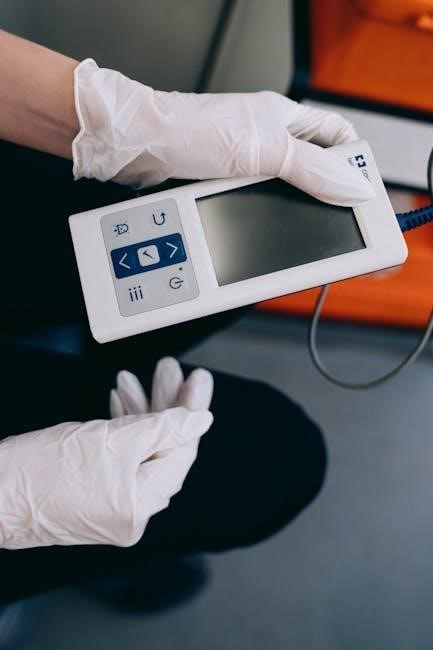
The core of the TENS system is the device itself, a small, battery-operated unit that generates the electrical impulses. Your TENS machine manual is crucial for understanding its specific features and functions. It’s important to protect the unit from damage – avoid dropping it on hard surfaces, exposing it to water, or subjecting it to extreme temperatures.
The manual will detail the controls for adjusting intensity, pulse width, and frequency, allowing you to customize the stimulation to your needs. Different units offer varying programs designed for specific pain types or muscle conditions. Always refer to the manual before attempting to modify these settings.
Furthermore, the manual will provide information on battery type and replacement procedures. Removing batteries during prolonged non-use is recommended to prevent leakage and potential damage to the device. Carefully following the guidelines in your manual will ensure the longevity and effective operation of your TENS unit.
Electrodes and Lead Wires
Electrodes, the adhesive pads, are essential for delivering the electrical impulses to your skin. Your TENS machine manual will detail proper electrode placement and care. These pads come in various sizes and shapes, and their adhesiveness diminishes with use. The manual will advise on how to maintain their stickiness or when replacement is necessary.
Lead wires connect the TENS unit to the electrodes. The manual stresses the importance of handling these wires with care; avoid tightly bending or coiling them, as this can cause damage and disrupt the electrical connection. Inspect the wires regularly for any signs of fraying or breakage, as outlined in your manual.
Proper connection of the lead wires to both the unit and the electrodes is vital for effective stimulation. Your manual will illustrate the correct connection method. Maintaining both components ensures optimal performance and prolongs the lifespan of your TENS system.
Batteries
Batteries power your TENS unit, and your manual provides crucial information regarding battery type, size, and proper installation. Always use the batteries specified in the manual to avoid damaging the device. The manual will also detail how to safely replace the batteries, often requiring a screwdriver for access.
A key recommendation in most manuals is to remove the batteries when the unit is not in use for extended periods. This prevents potential leakage from the batteries, which can corrode the internal components and render the device unusable. Battery leakage is a common issue, so preventative measures are vital.
Your manual may also offer guidance on battery care, such as storing them in a cool, dry place. Proper battery maintenance extends the life of both the batteries and your TENS unit, ensuring reliable performance when you need it most.
Setting Up Your TENS Machine
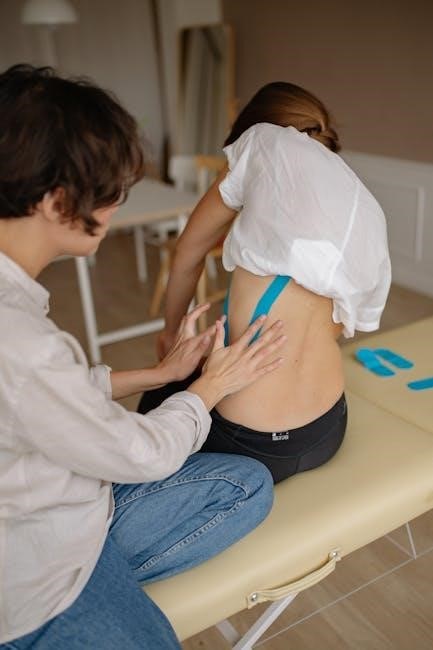
Refer to your manual for detailed setup instructions, including skin preparation and electrode placement, ensuring optimal conductivity and effective pain relief with your TENS unit.
Preparing the Skin
Before applying the TENS unit electrodes, proper skin preparation is crucial for optimal conductivity and effective pain relief; always consult your device’s manual for specific recommendations.

Generally, the skin should be clean, dry, and free from lotions, oils, or sweat, as these can interfere with the electrical current. Gently wash the area with mild soap and water, then thoroughly dry it with a clean towel.
If there is excessive hair at the electrode site, it may be necessary to trim it lightly to ensure good contact. Avoid shaving immediately before application, as this can cause irritation.
Inspect the skin for any cuts, abrasions, or irritation. Do not apply electrodes to damaged skin. If skin irritation occurs, discontinue use and consult your healthcare provider. Following these steps, as outlined in your manual, will maximize the benefits of your TENS therapy.
Electrode Placement
Proper electrode placement is vital for effective TENS therapy; your device’s manual will provide detailed diagrams and guidance specific to your unit and the area being treated.
Generally, electrodes are placed on or around the painful area, or at specific acupuncture points. Avoid placing electrodes over bony prominences, open wounds, or directly over the heart.
Electrodes should be spaced a few centimeters apart, and ensure they are firmly adhered to the skin. Experiment with different placements to find what works best for you, always referring to the manual for recommended configurations.
For localized pain, surround the painful area with electrodes. For radiating pain, place electrodes at the source of the pain and along the path of the radiating sensation. Remember, the manual is your primary resource for safe and effective electrode placement.
Connecting the Lead Wires
Carefully connect the lead wires to both the TENS unit and the electrodes, ensuring a secure connection for optimal signal transmission; your device’s manual provides specific instructions and diagrams for this process.
Most TENS units utilize a standardized connector, but always double-check compatibility. Avoid forcefully inserting the wires, as this can damage the connectors; Gently align and push until you hear or feel a click.
Inspect the lead wires regularly for any signs of damage, such as fraying or cracking. Damaged wires can reduce effectiveness and potentially cause skin irritation. Refer to your manual for replacement instructions.
Do not tightly coil or bend the lead wires, as this can also cause damage. Proper connection, as detailed in the manual, is crucial for delivering a consistent and therapeutic electrical stimulation.
Using Your TENS Machine
Power on the unit and gradually increase intensity to a comfortable tingling sensation, avoiding pain or muscle spasms, as detailed in your manual.
Relaxation during use is key; adjust settings per the manual, considering pulse width and frequency for optimal muscle tension relief.
Powering On and Intensity Adjustment
Initiating operation with your TENS unit is generally straightforward, but always refer to your specific device’s manual for precise instructions. Typically, a power button activates the unit, and a control knob or digital buttons manage the intensity. Begin with the lowest intensity setting before gradually increasing it.
Crucially, the goal isn’t to induce pain, but rather a comfortable tingling sensation. The manual will emphasize this point – you should be able to relax while the unit is operating. If you experience muscle spasms or discomfort, immediately reduce the intensity. Slow, incremental adjustments are vital for finding the optimal level.
Some units offer pre-programmed settings for different conditions, outlined in the manual. Experimenting with these, while carefully monitoring your body’s response, can help personalize your therapy. Remember, the manual is your primary resource for safe and effective operation;

Finding the Right Intensity Level
Determining the appropriate intensity is paramount for effective TENS therapy, and your device’s manual is the definitive guide. Start at the lowest setting and slowly increase it until you feel a noticeable, yet comfortable, tingling sensation. This sensation should not be painful or cause muscle contractions.
The manual will likely advise asking yourself if you can relax while the unit is running. If the sensation is uncomfortable, immediately decrease the intensity. It’s a process of fine-tuning, finding the sweet spot where you feel relief without adverse effects.
Individual tolerance varies significantly, so what works for one person may not work for another. The manual may suggest starting with shorter durations and lower intensities, gradually increasing both as you become accustomed to the sensation. Prioritize comfort and heed the manual’s recommendations.
Understanding Pulse Width and Frequency
Your TENS machine’s manual will detail the functions of pulse width and frequency, crucial settings for customizing your therapy. Pulse width, measured in microseconds, dictates the duration of each electrical pulse; longer pulses generally provide stronger stimulation. Frequency, measured in Hertz (Hz), determines the number of pulses delivered per second.
The manual often suggests specific settings for different conditions. For general muscle tension, a lower frequency (e.g., 2-10 Hz) with a moderate pulse width might be recommended. Higher frequencies (e.g., 50-100 Hz) with shorter pulse widths are sometimes used for acute pain.
Experimentation, guided by your manual, is key. Start with the recommended settings and adjust them incrementally to find what provides the most effective pain relief. Remember to document what works best for you, and always prioritize comfort and safety as outlined in the device’s instructions.

TENS Machine Safety and Maintenance
Always refer to your manual for crucial safety precautions, contraindications, and proper care instructions to ensure longevity and effective, safe operation of your TENS unit.
Precautions and Contraindications
Carefully review your TENS machine manual before use, as certain conditions necessitate avoiding or modifying treatment. Do not use a TENS unit on open wounds, broken skin, or areas with active infections. Individuals with pacemakers or other implanted electronic devices must consult their physician prior to use, as electrical interference is a potential risk.
Avoid applying electrodes over the carotid sinus (neck), eyes, or directly over the heart. Pregnant women should consult their healthcare provider before using a TENS unit. If you experience skin irritation, discontinue use and adjust electrode placement or type. Never use while driving or operating heavy machinery. The manual will detail specific warnings and guidelines tailored to your device, ensuring safe and effective pain management. Always prioritize safety and consult a medical professional if you have any concerns.
Battery Care and Storage
Consult your TENS machine manual for specific battery type recommendations and replacement instructions. To maximize battery life, power off the unit when not in use. Prolonged inactivity can lead to battery leakage, so the manual often advises removing batteries for extended storage periods. Store batteries in a cool, dry place, away from direct sunlight and extreme temperatures.
Avoid mixing old and new batteries, or different battery types. Dispose of used batteries responsibly, following local regulations. Regularly check the battery compartment for signs of corrosion. If corrosion is present, carefully clean it with a dry cloth before inserting new batteries. Proper battery care, as outlined in your manual, ensures optimal performance and longevity of your TENS unit, preventing potential damage and maintaining its effectiveness.
Cleaning and Care of the Unit and Electrodes
Refer to your TENS machine manual for specific cleaning guidelines. Generally, the unit itself should be wiped down with a slightly damp cloth; avoid immersing it in water. Never use harsh chemicals or abrasive cleaners, as these can damage the device. Regularly inspect the lead wires for any signs of damage, such as fraying or cracking, and replace them if necessary.
Electrodes require careful attention. Clean electrodes after each use with a damp cloth to remove skin oils and debris. Adhesion can be restored by lightly misting them with water. Store electrodes in a clean, dry place, ideally in their original packaging. Replace electrodes when they lose their stickiness or become damaged. Following the manual’s instructions ensures hygiene, prolongs the life of your TENS unit, and maintains optimal performance.
Troubleshooting Common Issues
Consult your TENS machine manual first for solutions to problems like no stimulation or skin irritation; proper usage is key for effective relief.
No Stimulation
If you experience no stimulation from your TENS unit, the first step is always to thoroughly review the device’s manual for troubleshooting guidance specific to your model. Begin by ensuring the unit is powered on and the intensity is gradually increased – remember, the goal is a comfortable tingling sensation, not pain or muscle spasms.
Next, carefully check the electrode placement, confirming they are securely adhered to clean, dry skin and correctly positioned according to the manual’s recommendations. Verify the lead wires are firmly connected to both the electrodes and the TENS unit itself. A loose connection is a common cause of this issue.
Also, inspect the batteries; low battery power can significantly reduce or eliminate stimulation. Replace them with fresh batteries as needed. If the problem persists, consult the manual for further diagnostic steps or contact the manufacturer’s customer support for assistance. Do not attempt to disassemble or repair the unit yourself.
Skin Irritation

Should you experience skin irritation while using your TENS unit, immediately discontinue use and consult the device’s manual for guidance. Skin reactions can occur due to several factors, including adhesive sensitivity, prolonged electrode contact, or improper skin preparation. Ensure your skin is clean and dry before applying the electrodes, as outlined in the manual.
Consider using hypoallergenic electrodes if you have sensitive skin. Avoid placing electrodes over broken or irritated skin, and rotate electrode placement with each use to prevent localized irritation. If irritation persists, try reducing the intensity level or shortening the duration of each treatment session, as detailed in your manual.
The manual may also recommend specific skin preparation techniques or barrier creams. If the irritation is severe or doesn’t subside, consult a healthcare professional for advice. Proper care and adherence to the manual’s instructions are crucial for minimizing skin reactions.